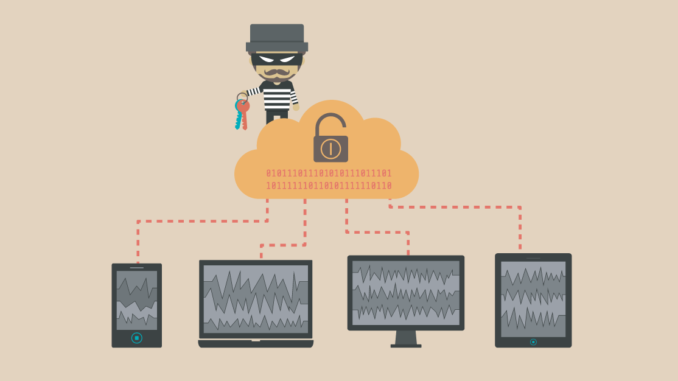
Network security can be compromised by the following:
Denial of service
An attacker will flood a network resource with network traffic with the aim to make a network unavailable or slow the access to others. This excess traffic can either overwhelm the device (e.g. router, NIC, switch) causing it to crash, or it will simply be so busy dealing with the attacker’s packets that it will not respond in a timely manner to genuine requests.
Back doors
Backdoors are secret methods of bypassing authentication and/or encryption. They can be put these deliberately by programmers, or are bugs that are not identified during the testing of the software.
IP spoofing
IP (internet protocol) spoofing is where an attacker impersonates another network device by using the same IP address, or a fake IP address to hide the original source. It can fool a target network or network device into allowing access and compromise devices on that network. Packet filtering (firewall) can be used to limit attacks from external networks trying to spoof internal network addresses.
Phishing
Phishing is an attempt to gain sensitive information from users by criminals. While these can be emails with links to fake bank logins or requests for personal information, they can also be phone calls or letters.
Methods to ensure the security of networks are covered elsewhere.
Firewalls
Anti-malware software
Password and network user policies
Authentication
Encryption